For therapists & providers

Nervous system education your client or patient can use between visits.

You have done the harder work. Sometimes a client understands their story clearly and still cannot settle, because the nervous system learned to stay braced long before words were involved.

Drawing on Polyvagal Theory, we help clients recognize their own states, mobilized and protective or withdrawn and shut down, and notice the cues of safety and threat their body is responding to. From there they practice small, repeatable ways to steady themselves and return to connection. It is skills practice in the body, offered alongside the work you are already doing.

Scope of practice

What we do

  • Nervous system education in plain language
  • Polyvagal-informed state awareness and mapping
  • Somatic and regulation skill-building
  • Co-regulation and reconnection after protective states
  • Capacity and recovery work for chronic stress
  • Integration support after significant experiences

What we do not do

  • Diagnose or treat any condition
  • Provide psychotherapy or counseling
  • Trauma processing or memory work
  • Supply, administer, or recommend any substance
  • Replace the care of a licensed provider
  • Crisis or emergency services

Our work is educational and supportive. It complements clinical care, it never replaces it, and we say so to every client.

Who this tends to help

  • Clients who understand their stress intellectually but not in their body
  • Clients in talk therapy who would benefit from body-based regulation skills alongside cognitive insight
  • Clients living with the effects of trauma or chronic stress who want body-based regulation skills alongside clinical care
  • People carrying chronic stress from caregiving, clinical, or first-responder work
  • Clients who feel safe in their thinking mind while their body stays braced
  • Clients integrating a significant or altered-state experience
  • People who want practical, everyday tools between sessions

When another kind of support fits better

  • Anyone in acute crisis, or experiencing suicidal ideation or self-harm
  • Active psychosis, mania, or acute substance withdrawal
  • Eating disorders requiring medical monitoring
  • Clients seeking trauma processing or memory work
  • Anyone seeking diagnosis, treatment, or medication guidance
  • Clients who would be better served by clinical care alone

If someone arrives who needs clinical care, we say so directly and encourage them back to you.

Sharing Starting Point with a client or patient

  1. 01

    Share our information

    Give your client or patient the Provider Resource, or send them to startingpointconsulting.com. No referral, form, or paperwork is required from you.

  2. 02

    They decide, and contact us

    The individual decides whether to reach out, then books directly. We say plainly if we are not the right support.

  3. 03

    We work alongside you

    With the client’s written consent, we’re glad to coordinate with you, confirming they connected and sharing what we’re focusing on, at whatever level of detail your client authorizes.

Background & training

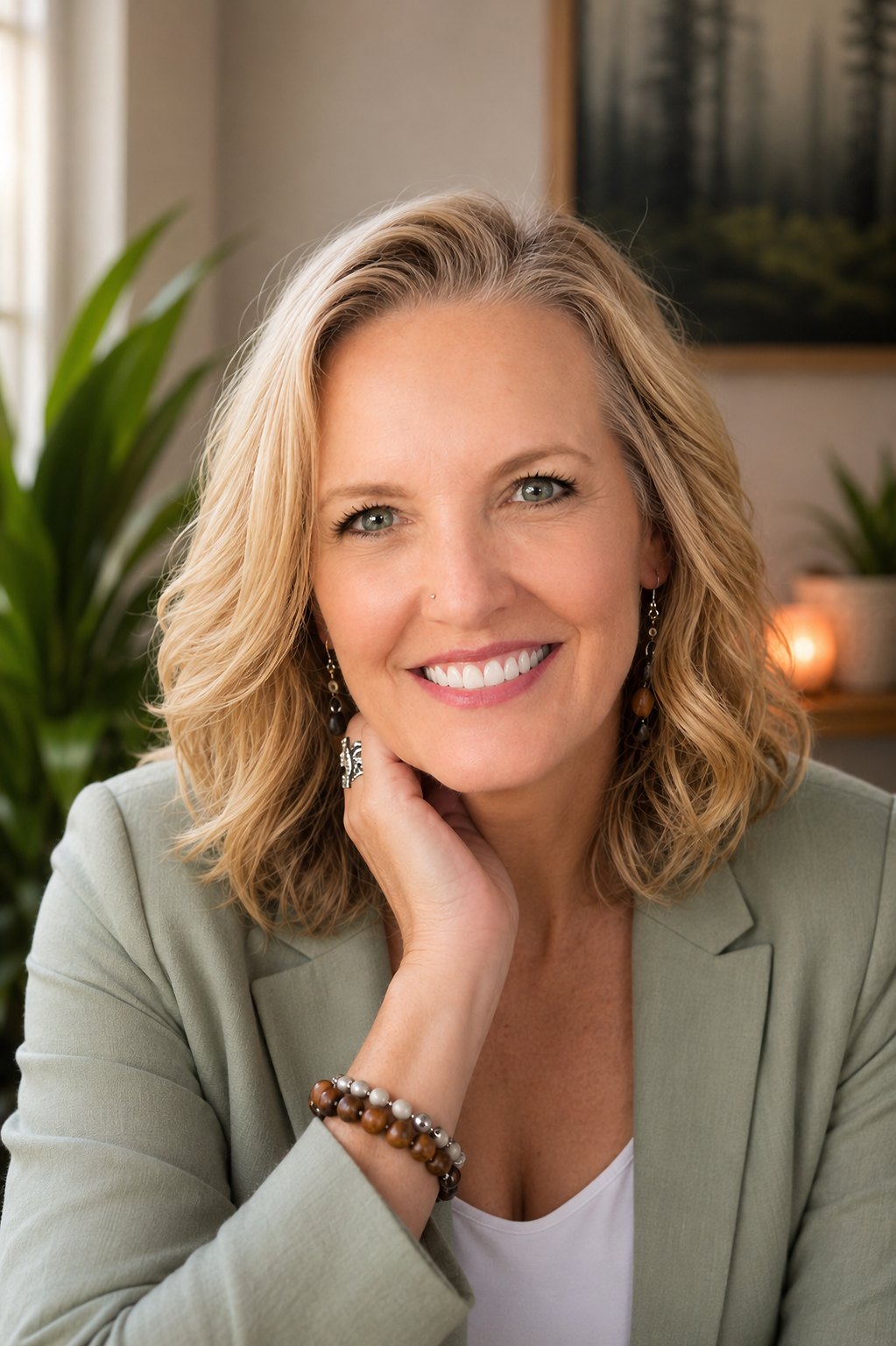
Darlene Erich, MBA, BSN, RN

Darlene Erich, MBA, BSN, RN

Healthcare Executive · Nervous System Leadership Educator

Decades in critical care, palliative care, and hospice nursing; healthcare executive leadership; pilates teacher trainer and educator; trauma-informed education and nervous system regulation.

Training

  • STOTT Pilates Certified
  • Powerhouse Pilates Certified
  • Certified DISC + Values Coach
  • Somatic Practitioner training, The Embody Lab
  • Polyvagal Mapping, Rhythm of Regulation®, Deb Dana

Communication & confidentiality

We hold what clients share in confidence. With their written consent, we can confirm they connected with us and share the focus of our work at whatever level of detail they authorize. Without that consent, we will not confirm or discuss anyone’s participation.